Understanding the Kansas City Shirtwaist Building Challenge
The shirtwaist building is an iconic architectural style found throughout Kansas City, characterized by a stone or masonry first floor with wood frame upper stories. These buildings, originally designed for mixed commercial and residential use, present unique insulation challenges that many homeowners don't anticipate when planning renovations or energy efficiency upgrades.
The transition from solid masonry at ground level to frame construction above creates thermal bridging issues and moisture management complications that standard insulation methods struggle to address. The stone exterior, while beautiful and durable, conducts temperature extremes directly into the building, while the frame sections above allow air infiltration through gaps and seams. This mixed construction means that a one-size-fits-all insulation approach simply won't work. You need a solution that addresses both the thermal mass of stone and the air leakage problems inherent in older frame construction.
Why Traditional Insulation Falls Short in Mixed-Construction Buildings
Many Kansas City homeowners discover that fiberglass batts and blown-in cellulose simply don't perform well in shirtwaist buildings. These materials require a consistent cavity depth and rely on proper air barriers to function effectively. In buildings with stone first floors, the masonry absorbs and releases moisture seasonally, which can cause traditional insulation to settle, compress, or retain moisture that leads to mold and structural damage. Additionally, the frame upper stories often have irregular stud spacing, missing blocking, and countless penetrations for utilities that create thermal weak points.
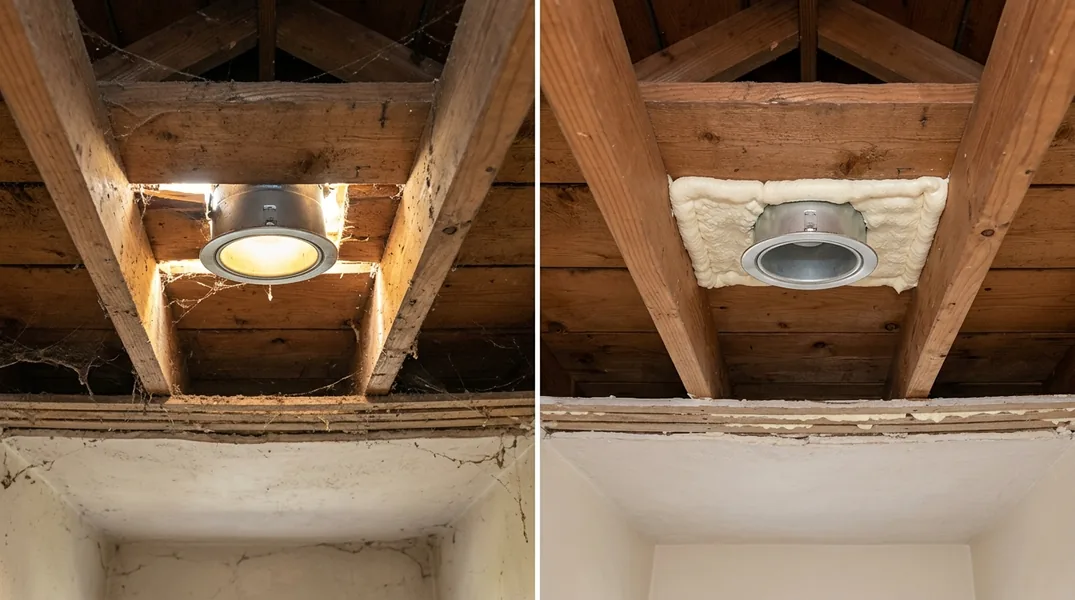
The real problem with old insulation removal in these buildings is that you're often left with bare walls and cavities that are difficult to properly seal. Gaps around electrical boxes, HVAC penetrations, and window frames become conduits for energy loss and air infiltration. This is where spray foam technology offers a transformative solution that traditional materials simply cannot match.
Spray Foam Insulation for Stone First Floors: A Targeted Approach
Wall & Injection Foam Insulation is particularly effective for the stone floor sections of shirtwaist buildings. The stone masonry, while structurally sound, lacks any meaningful insulation value and conducts heat and cold directly through to interior spaces. Injection foam insulation can be applied from the interior side without removing the beautiful exterior stonework, making it an ideal choice for historic preservation while dramatically improving thermal performance.
The injection process involves drilling small holes into the wall cavity and injecting closed-cell foam that expands to fill every void. This method creates a continuous thermal barrier and air seal that stops thermal bridging at the stone interface. The foam bonds to the masonry, creating a monolithic insulation layer that resists moisture migration and prevents the seasonal expansion and contraction that damages traditional insulation. For homeowners concerned about maintaining the character of their historic Kansas City shirtwaist, this approach preserves exterior aesthetics while delivering modern energy efficiency.
Addressing Frame Upper Stories with Closed Cell Spray Foam
The wood frame upper stories of shirtwaist buildings benefit enormously from Closed Cell Spray Foam Insulation, which provides both insulation and air sealing in a single application. Unlike traditional batts that only fill the cavity between studs, spray foam expands to seal around electrical boxes, plumbing, HVAC ducts, and window frames. This comprehensive approach eliminates the thermal leaks that plague older frame construction.
Closed cell foam offers an R-value of approximately 6.5 to 7 per inch, which means you achieve excellent thermal resistance in standard 3.5-inch cavities. The material also creates a vapor barrier that prevents moisture from migrating into wall cavities, protecting the wood frame from rot and decay. This is crucial in frame sections that may have experienced previous water intrusion or condensation problems. The structural rigidity of closed cell foam also adds lateral bracing to the wall assembly, which can be beneficial in older buildings with slightly compromised framing.
Managing Spray Foam Insulation Problems: What to Avoid
While spray foam is highly effective, improper installation can create spray foam insulation problems that lead to costly repairs. Over-application can create excessive pressure that bows out walls or damages structural members. Inadequate ventilation during application can trap fumes that affect indoor air quality. Poor quality control can result in incomplete fill, leaving voids that compromise the insulation layer. This is why choosing a qualified, experienced contractor matters tremendously.
The best way to avoid spray foam problems is to work with a company that understands the specific challenges of shirtwaist buildings and has a track record of successful installations. Your contractor should conduct a thorough pre-installation inspection, identify potential issues like asbestos or lead paint that require special handling, and use proper application techniques and safety protocols. They should also explain how the foam will interact with your specific building assembly and address any concerns about moisture management or vapor dynamics.
Planning Your Shirtwaist Building Insulation Project: Next Steps
Insulating a shirtwaist building requires careful planning and a customized approach. Start by getting a professional energy audit that identifies your biggest thermal weak points. This assessment will determine whether you need injection foam for the stone sections, spray foam for the frame sections, or a combination strategy. Your contractor should also evaluate whether any old insulation removal is necessary and what preparation work the walls require before foam application.
Kansas City Spray Foam Insulation specializes in exactly these kinds of complex, historic building challenges. We understand the nuances of shirtwaist construction and can design a solution that respects your building's architectural character while delivering the energy efficiency and comfort you deserve. Contact us at (816) 307-2678 or request a free estimate to discuss your project. We'll evaluate your specific situation, explain your options, and provide transparent pricing so you can make an informed decision. Your shirtwaist building deserves insulation that works as hard as its historic bones.
Looking for a professional spray foam insulation contractor in Kansas City? Kansas City Spray Foam Insulation responds fast for all your spray foam insulation needs.
Get a Free Quote